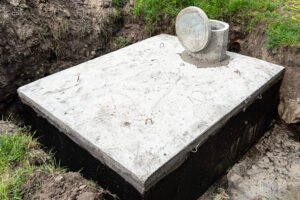
Not all septic systems are built the same, and choosing the right septic system design can make a big difference in how well your system performs over time. From soil type and lot size to slope and local building codes, several factors can affect which system will work best for your property.
In this blog, we’ll break down the most common septic designs to help you make informed, confident decisions for your next project.
Conventional vs. Modern Septic System Designs
When it comes to septic system design, two common options stand out—traditional gravel-based setups and more modern alternatives like chamber systems. Here’s how they compare:
Conventional Systems
The traditional gravel/stone drainfield system has been used for decades. It relies on trenches filled with gravel or crushed stone to filter wastewater from the septic tank into the soil. While reliable, this setup requires a large footprint and may not be ideal for smaller or uneven lots.
Modern Systems
A more modern option is the chamber system, which uses plastic, open-bottom chambers instead of gravel. These systems are easier to transport and install, take up less space, and are often made from recycled materials. They’re also a great choice in areas where gravel is scarce or where the water table is high.
If your project involves a tight lot, limited gravel access, or variable water levels, a chamber system may be the smarter, more efficient solution.
Advanced Septic System Designs for Challenging Properties
When space is tight or the soil isn’t ideal, advanced systems offer a smart solution. Aerobic Treatment Units (ATUs) use oxygen to break down waste more efficiently, producing cleaner effluent. They’re a great fit for small lots, high water tables, or areas near water sources with stricter regulations.
Drip distribution systems are another option, slowly releasing treated wastewater through tubing just below the surface. They work well on sloped or uneven land where traditional drainfields aren’t practical. While these systems require extra components and maintenance, they’re often the best fit for difficult properties.
Factors That Influence Septic System Design Selection
Several key factors must be considered before deciding on a septic system design. A proper site evaluation helps ensure your system will perform efficiently and meet local requirements. Here’s what to look at:
- Percolation test results – to measure how quickly your soil absorbs water
- Soil type and depth – which affects filtration and system compatibility
- Lot size and slope – smaller or uneven lots may need alternative designs
- Proximity to water sources or protected areas – some systems are better for sensitive environments
- Local health department regulations – these may limit or guide your design options
Working with a professional ensures you choose a system that’s both effective and fully compliant with local codes.
What to Remember Before You Decide
Every property is different, and so is every septic system design. The right setup depends on your soil, lot size, slope, and local regulations. Choosing a system that fits your site’s specific needs is the key to long-term performance and peace of mind.
Not sure which design is right for your project? AllCalJet is here to help. Contact us today for expert guidance and code-compliant installation built to last.