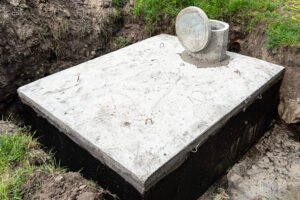
If you’re new to owning a home with a septic system, one of the most important things to know is how often it needs to be pumped. Regular septic tank pumping helps you avoid expensive repairs from sewage backups, water damage, and drainfield failure, and it also prevents environmental contamination. While most experts recommend pumping every 3 to 5 years, the ideal schedule depends on your household size, water usage, and tank capacity.
What Affects Your Pumping Schedule?
While the general rule is to pump every 3 to 5 years, the exact timing depends on conditions specific to your household. Here are the main factors that affect how often your tank should be pumped:
- Household Size
More people mean more water and waste, which fills the tank faster. For example, a family of four with a 1,000-gallon tank may need pumping every 2.5 years. - Tank Size
Bigger tanks can hold more and may need pumping less often. A 1,500-gallon tank might go 4 years between services. - Water and Waste Use
If you have lots of guests, use a garbage disposal, or do a lot of laundry, your tank may fill up faster. - System Type
Regular systems may need less care. But systems with pumps or filters should be checked every year and may need more frequent pumping. - Inspections
It’s a good idea to get your system inspected every 3 years, once a year if it has moving parts. This helps catch issues early and keeps your system working well.
Knowing these details helps you avoid costly repairs and keep your septic system in good shape.
Signs You’re Overdue for a Pump
Septic systems show clear signs when it’s time to pump. Ignoring them can lead to serious, expensive damage.
- Slow drains and gurgling pipes often mean your tank is getting full.
- Foul odors near indoor drains or outdoors by the tank or drainfield are another red flag.
- Pooling water or soggy patches in your yard, especially around the drainfield signal system overload.
If solids overflow into the drainfield, they can clog pipes and cause backups, leading to repairs that cost far more than routine pumping.
(Note: If you notice any of these issues but your scheduled pump date is far off, don’t wait—call a professional immediately. Acting quickly can help you avoid more serious and costly problems.)
Why Inspections Matter Just as Much
Routine inspections help catch problems before they get expensive. A pro will check sludge and scum levels, look for leaks, and ensure the T-outlet keeps solids from reaching the drainfield.
Pumping is needed when scum is within 6 inches or sludge within 12 inches of the outlet waiting longer risks system failure.
Good records help track service and show future buyers your system is well-maintained.
At AllCalJet, every pumping includes a full inspection to spot issues early and keep your system working smoothly.
Keep Your Septic System Working Its Best
Putting off septic maintenance can lead to sewage backups, system failure, and expensive repairs. Since every home is different, it’s important to follow a pumping schedule that fits your household.
With regular inspections and on-time service, you can make your system last longer and avoid problems.
Schedule your septic pumping with AllCalJet today and stop small issues before they become big ones. Their trusted team is ready to help with expert, personalized care.