If you live here in California, you know a good septic system is something you don’t really think about—until it stops working. While these systems are built to handle years of use, they’re not built to last forever. Your septic system’s lifespan depends on the tank material, the soil it sits in, and how well it’s maintained. Curious about your system’s lifespan? Keep reading to find out.
Typical Lifespan by Tank Material
How long your septic system lasts depends a lot on the tank material. Here’s a quick breakdown:
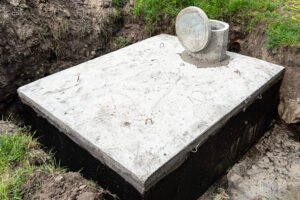
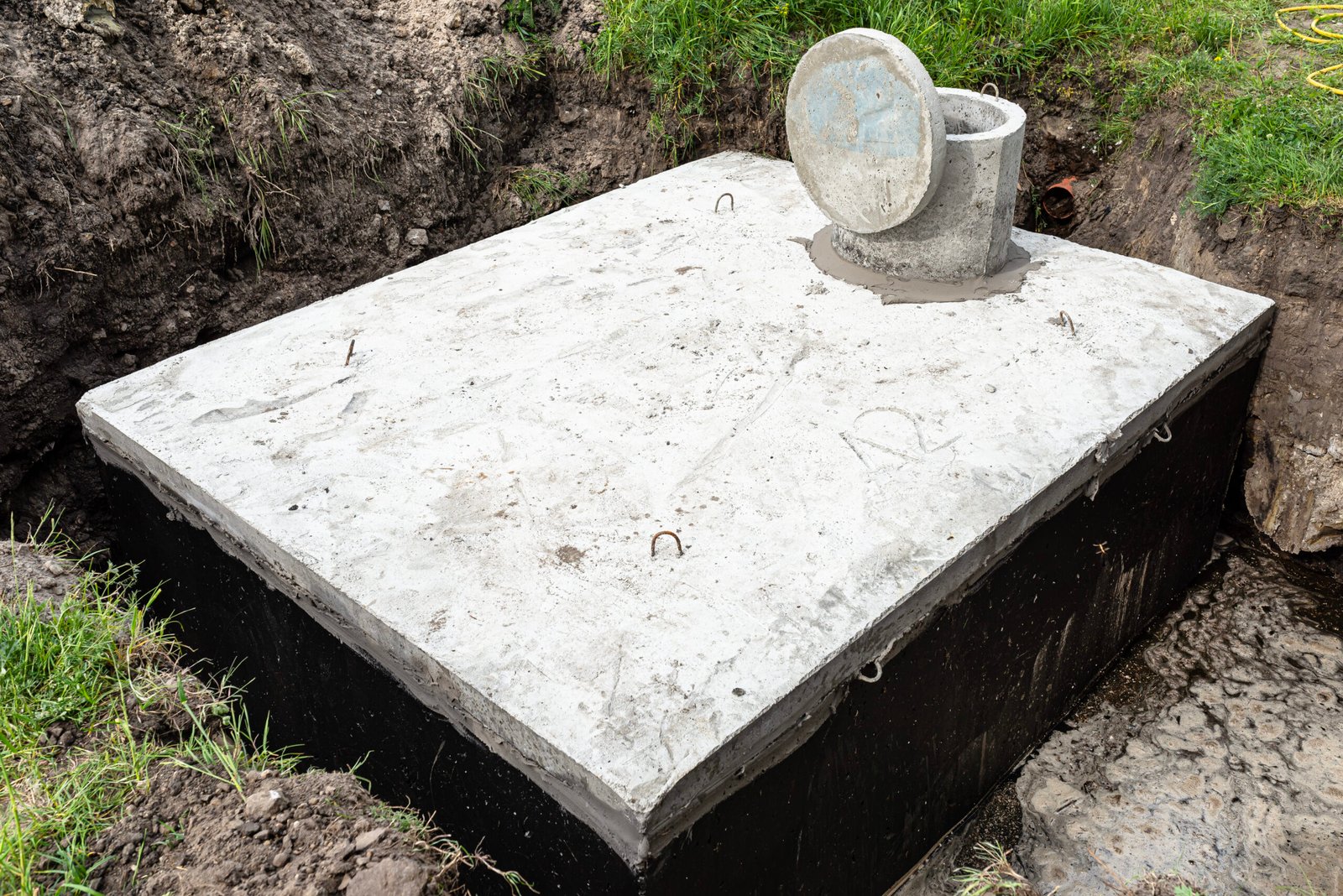
Concrete Tanks — 40+ years
- Longest-lasting option
- Can deteriorate if wastewater becomes acidic
- Good venting and regular inspections help prevent damage
Plastic/Fiberglass Tanks — 30 to 40 years
- Corrosion-resistant
- Lightweight, but can crack or be crushed if vehicles drive over the area
Steel Tanks — 10 to 15 years
- Shortest lifespan due to rust
- Frequent inspections are important to catch early corrosion
Drain/Leach Fields — 15 to 50+ years
- Depends on soil quality, water usage, and overall maintenance
- Proper care helps extend its lifespan significantly
Factors That Affect Lifespan
Several everyday and environmental factors can have a big impact on how long your septic system lasts.
Household Size & Water Usage
More people in the home result in more wastewater, which puts extra strain on the tank and drain field. Appliances like washing machines, dishwashers, and garbage disposals add to the load, potentially shortening the system’s lifespan if not managed carefully.
Soil Quality & Climate
Soil type and climate affect how well your system performs. Clay soils hold water and drain slowly, while sandy soils drain quickly but may not filter as effectively. High groundwater or flooding can stress the system, while very dry conditions can slow natural filtration.
Chemicals & Cleaning Products
Harsh cleaners, bleach, paints, solvents, and antibacterial soaps can harm the beneficial bacteria that break down waste. Without these bacteria, solids build up faster, leading to clogs and reduced system life.
Maintenance Practices
Regular pumping and inspections are essential. Skipping maintenance allows sludge and buildup to accumulate, causing costly problems. Professionals recommend pumping every 2–3 years and inspections at least once every 1–3 years to catch issues early.
Signs Your Septic System is Aging or Failing
Even the best-maintained septic systems don’t last forever, and spotting problems early can save you time and money. Slow drains or frequent backups in sinks, showers, or toilets often point to trouble. Foul odors around the tank or yard are another clear warning.
You might also notice standing water or unusually green, lush grass over the drain field. Structural issues like visible cracks, rust, or crumbling concrete indicate a weakening system. Finally, a thick sludge layer at the bottom of the tank shows the system needs attention before it fails. A healthy tank has a dark brown layer with worms.
Ways to Maximize Septic System Lifespan
- Pump Regularly – Every 2–3 years to prevent sludge buildup and keep wastewater flowing smoothly.
- Limit What You Flush – Avoid diapers, wipes, grease, harsh chemicals, and medications to protect the tank and bacteria.
- Control Water Usage – Fix leaks, stagger laundry, and avoid large water loads at once to reduce strain on the system.
- Schedule Inspections – Annual professional checks can catch rust, sludge, cracks, or other issues early.
- Use Treatment Products Cautiously – Some products, like enzymes or bacteria additives, can be helpful in smaller households, but they aren’t necessary for all systems. Always consult your contractor to ensure safety and effectiveness.
Keep Your Septic System Running Smoothly
A well-maintained septic system can last for decades, but neglect can lead to costly problems. Regular pumping, inspections, and mindful use go a long way in extending its life. If you notice any signs of aging or trouble, contact AllCal Jet for a professional inspection to keep both your system and home protected.