California winters are usually mild, but what happens when the temperature suddenly drops? Could your septic system be at risk—even in areas that rarely see frost? Frozen pipes, tanks, and drain fields might seem unlikely, but when they do happen, the results can be costly and disruptive. In this post, we’ll explore what puts septic systems at risk, the signs you shouldn’t ignore, and the steps you can take to protect your home.
Can Septic Tanks or Systems Freeze In Winter?
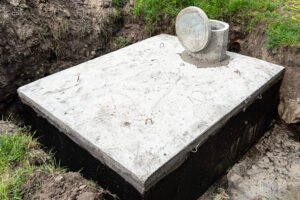
Yes. Though it’s uncommon in Southern California because of the mild climate, septic systems can freeze in colder areas, higher elevations, or shaded spots during unusual cold snaps. Pipes, tanks, and drain fields are most at risk. Freezing often occurs due to poor soil insulation, compacted soil from driving over the system, or infrequent water use. Vacation homes or low-occupancy properties are particularly at risk.
Signs Your Septic System Might Be Freezing
Watch for these warning signs during cold spells:
- Slow Drains or Backups – Toilets, sinks, or showers may drain sluggishly or back up.
- Foul Odors – Unusual smells around the tank or drain field can indicate ice blocking normal flow.
- Standing Water or Soggy Spots – Areas above the drain field may appear unusually wet or mushy.
Ignoring these early indicators can lead to serious damage, costly repairs, or even complete system failure. Catching a freezing problem early allows you to take preventive steps before it becomes an emergency.
What to Do If Your System Freezes
If you notice slow drains, foul odors, or soggy areas over your drain field, your septic system may be starting to freeze. Here’s how to act safely:
Limit Water Use – Take short showers, run the dishwasher only with full loads, and avoid unnecessary flushing to reduce stress on the system.
Avoid DIY Fixes – Don’t pour antifreeze, salt, or leave water running continuously; these can worsen the problem or damage your system.
Call a Professional – Certified septic experts can safely thaw pipes using heat tape, steamers, or high-pressure jetters. In severe cases, your tank may serve as a temporary holding tank until the spring thaw.
Getting expert help quickly prevents costly damage and ensures your system keeps running efficiently.
How to Prevent Your Septic System from Freezing
A frozen septic system can be costly and disruptive. The good news is that with some preparation, you can minimize the risk before cold weather hits.
Insulate the Ground – Apply 8–12 inches of mulch, grass, or loose material over pipes, tanks, and the drain field. This natural barrier helps trap heat and protects against frost. Snow cover can also provide insulation when present.
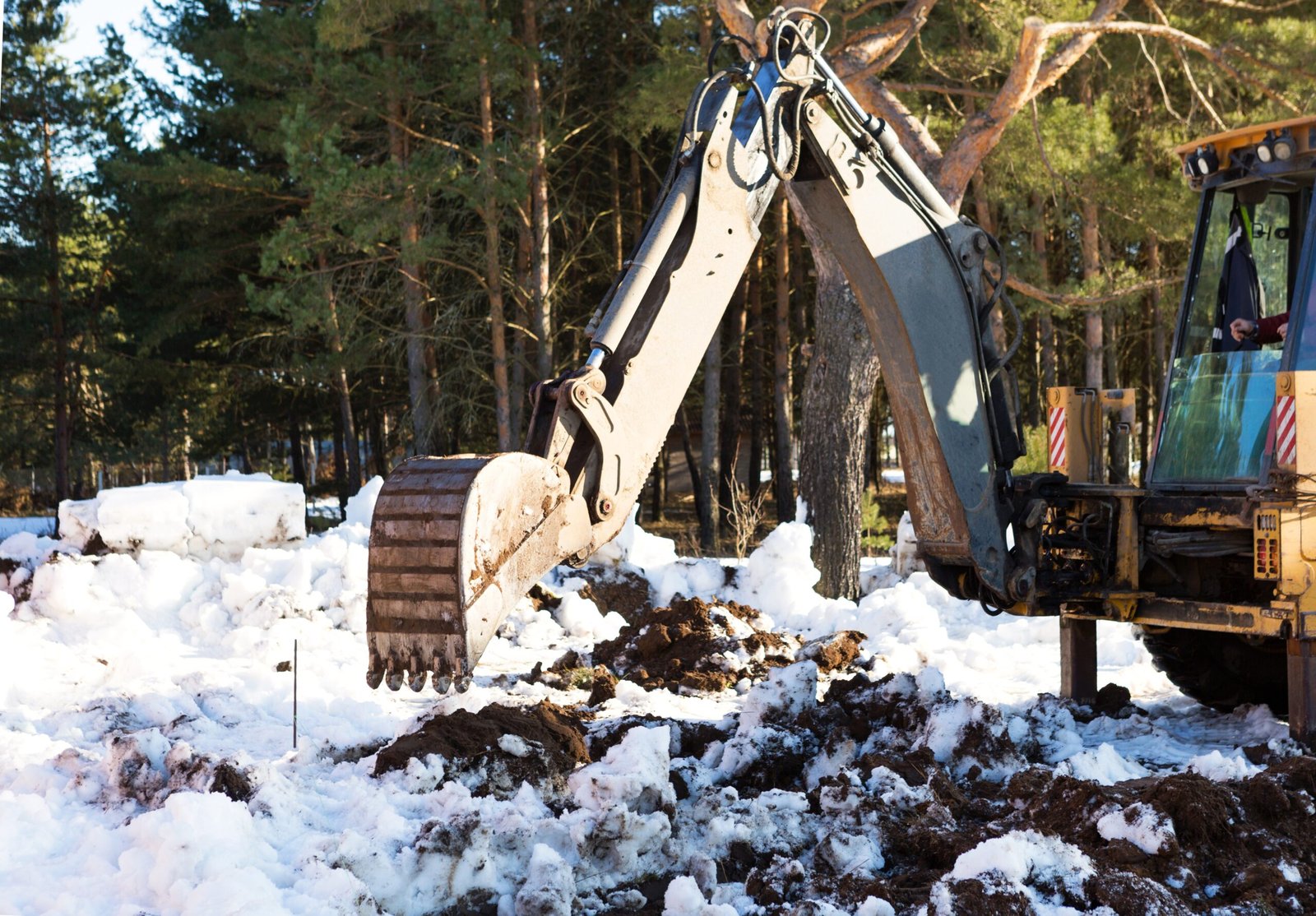
Avoid Soil Compaction – Heavy vehicles, equipment, or even frequent foot traffic can compress the soil, allowing frost to reach deeper and increasing the risk of freezing. Keep the area clear whenever possible.
Maintain Regular Water Flow – Running warm water periodically helps prevent pipes from freezing. Spread out laundry loads, use the dishwasher strategically, and take warm baths to keep wastewater moving.
Fix Leaks – Even small drips from faucets or toilets can freeze and block pipes. Prompt repairs reduce both freezing risks and water waste.
Add Extra Protection – For areas prone to colder conditions, consider insulated pipes, foam panels, or additional soil cover to give your system an extra layer of warmth.
Keep Your Septic System Healthy Year-Round
Regular inspections and pumping every 2–3 years keep your system running efficiently and prevent costly issues. Manage water wisely by fixing leaks and spreading usage throughout the day. Avoid harmful chemicals, grease, and non-septic-safe products. Maintain grass or natural cover over the drain field, keep heavy vehicles off it, and monitor your system’s performance to catch problems early. By staying on top of maintenance, you can extend your system’s lifespan and save significantly on long-term repair or replacement costs.
Winter freeze or not, taking care of your septic system year-round protects your home, your investment, and your peace of mind. Contact AllCal Jet for professional inspections and expert maintenance to keep your system in top shape