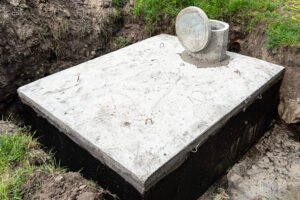
Properly maintained septic systems aren’t just a household necessity—they can also support the environment by naturally treating wastewater and replenishing local groundwater. In this post, we’ll explore how septic systems benefit the planet, the risks of neglect, and practical steps to keep yours eco-friendly.
How Septic Systems Help the Environment
Properly designed, installed, and maintained septic systems treat wastewater right on your property, offering an eco-friendly alternative to centralized sewer systems. Here’s how they help the environment:
- Natural Treatment Process: Beneficial bacteria in the tank break down solids and organic matter, reducing the need for harsh chemicals.
- Groundwater Recharge: Treated effluent slowly filters through the soil, replenishing local aquifers and supporting plants, trees, and surrounding ecosystems. Proper soil percolation is key—systems installed in poorly draining soils can leach untreated effluent, which could harm nearby water sources.
- Reduced Infrastructure Impact: Unlike municipal sewage systems, septic systems operate without energy-intensive treatment plants, lowering carbon footprint and land disruption.
Homeowners can maximize these benefits through regular inspections, responsible water use, and avoiding harsh chemical cleaners. When maintained properly, septic systems not only manage wastewater efficiently but also contribute to sustainable water management and local ecosystem health.
Environmental Risks of Neglected Systems
Neglected or overloaded septic systems can release excess nutrients like nitrogen and phosphorus into the soil and nearby water, especially when maintenance is skipped or usage exceeds the system’s design capacity. This nutrient overload fuels algae blooms, depletes oxygen, and can harm fish and other aquatic life.
Failing systems may also discharge pathogens and bacteria into groundwater or surface water, creating health risks for humans, pets, and wildlife. Ignoring maintenance doesn’t just threaten the environment—it can also damage your property, causing leaks, foul odors, and costly repairs. Staying proactive protects both your home and the surrounding ecosystem, keeping your septic system a safe, sustainable solution.
Practical Steps to Keep Your Septic System Eco-Friendly
Maintaining an eco-friendly septic system is simpler than you might think, and every small action helps protect the environment.
1. Schedule Regular Maintenance – Have your tank inspected and pumped regularly. While the typical interval is every 3–5 years, factors like tank size, household size, and water usage may require more frequent service. Regular maintenance prevents leaks, nutrient overload, and potential contamination of groundwater or nearby water bodies.
2. Manage Water Wisely – Spread out laundry loads, avoid long showers, and fix leaks promptly. Consistent water flow helps the system treat wastewater efficiently and prevents overloading the drain field.
3. Avoid Harmful Chemicals – Don’t pour grease, paints, medications, antibacterial soaps, or harsh cleaners down your drains. These products disrupt the natural bacterial process that keeps your system working safely and efficiently.
4. Upgrade or Site Properly – Ensure your septic system is installed in suitable soil with good percolation and at a safe distance from wells or waterways. In sensitive areas, advanced treatment units or sand filters can further reduce environmental impact.
By following these steps, you can keep your septic system functioning efficiently while minimizing risks to local ecosystems, groundwater, and your home. Small, responsible actions with your septic system make a significant difference for the planet.
Protect Your Septic System and the Environment
Properly maintained septic systems treat wastewater naturally, replenish local groundwater, and reduce the need for energy-intensive municipal treatment—making them a small but meaningful way homeowners can support the environment. Neglecting your system or overloading it can lead to nutrient pollution, harmful pathogens, and ecosystem damage. By keeping your system in good condition, you’re protecting both your home and the local ecosystem.
For professional septic plumbing, installation, repair, or seepage pit services, AllCal Jet can help ensure your system runs efficiently and stays environmentally friendly.