Septic systems quietly keep our homes running for decades, but they eventually need an upgrade. If your system is getting older or your household has grown, you’re probably wondering how much an upgrade will set you back. Upgrading sooner rather than later not only saves money but also prevents messy, costly problems—and ensures your home can handle today’s water demands with ease.
Typical Upgrade Costs
Conventional System – $5,000–$12,000
Full tank and drain field replacement for standard setups. Costs vary depending on tank size and materials used.
Aerobic System – $10,000–$20,000
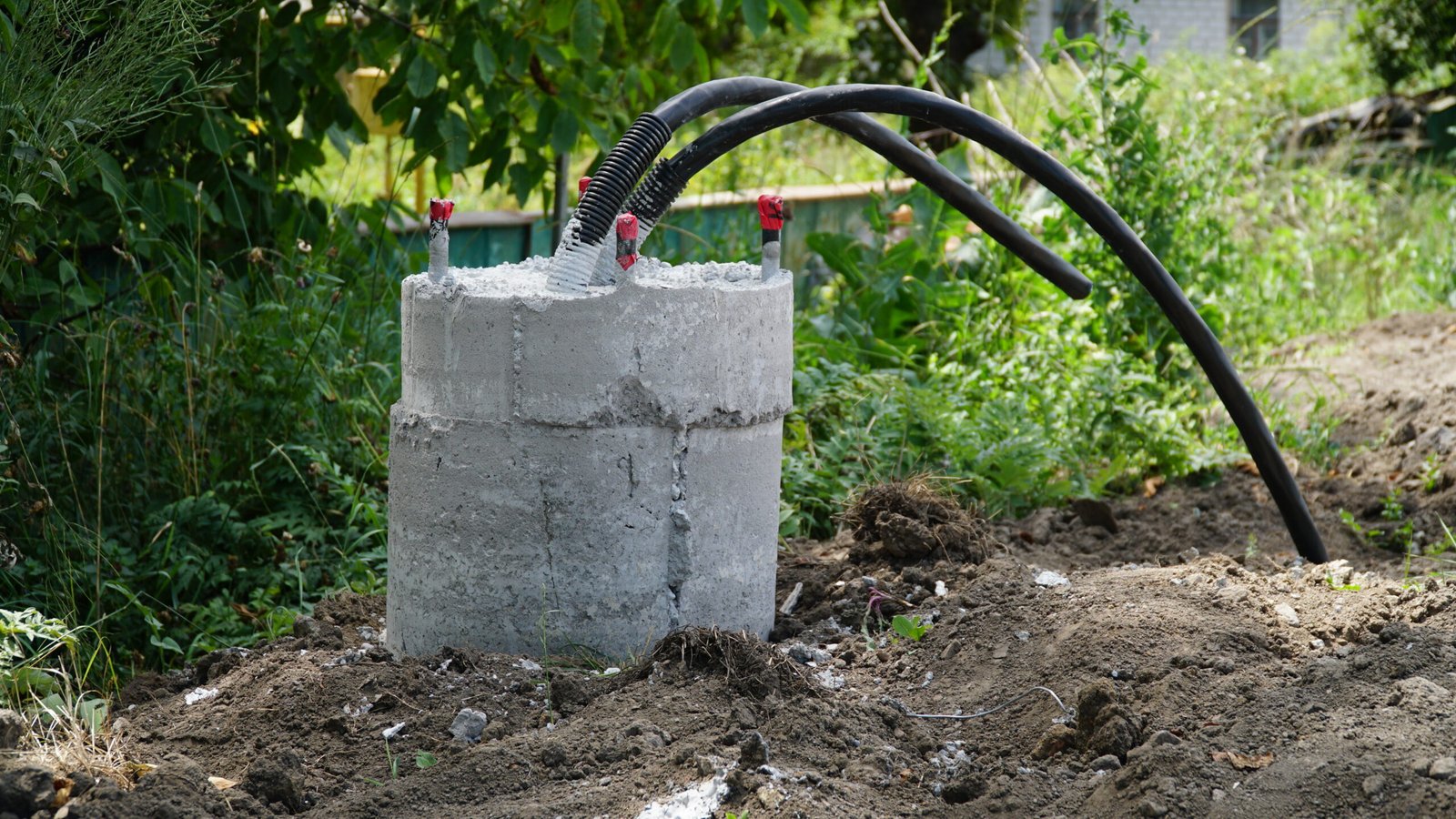
Uses electricity to boost bacterial activity. More efficient but pricier due to equipment and maintenance needs.
Alternative/Mound System – $20,000+
Designed for poor soil or high groundwater areas. Complex installation drives costs higher.
Partial Upgrades
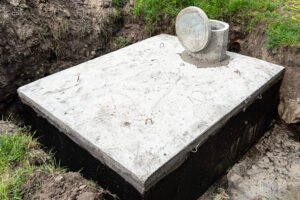
- Tank only: $1,500–$5,000
- Drain field repair: $3,000–$15,000
Cost Factors
- System size & material – Larger tanks require more excavation and higher material costs, while premium materials like concrete or fiberglass add to the final price. The type of drain field (trenches, chambers, or drip lines) also affects overall cost.
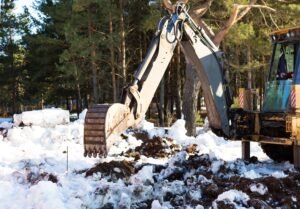
- Soil quality & site prep – Rocky soil, clay-heavy ground, or sloped properties require additional digging, grading, or engineered designs. Removing trees, old tanks, or previous piping also adds labor and disposal fees.
- Permits & inspections – Many counties require soil testing, site evaluations, engineered drawings, and multiple inspections throughout installation. Each step adds administrative and regulatory costs that can range from a few hundred to a few thousand dollars.
- Labor & equipment – Professional installation requires excavation machines, licensed septic contractors, and sometimes electricians for aerobic systems. Labor costs increase with difficult terrain, deep installations, or systems requiring electrical components and advanced controls.
Do You Need an Upgrade?
Septic systems aren’t built to last forever. If yours is 20 years or older, it’s smart to take a closer look. Over time, tanks and drain fields wear down, and an older system may struggle with today’s water usage. Home expansions, extra bathrooms, or more occupants can put extra strain on your system, increasing the risk of backups and yard damage.
Local codes or renovation projects may also require an upgrade. Spotting the need early lets you avoid costly emergency repairs, protect your property, and ensure your system can handle both current and future household demands.
Signs It’s Time to Upgrade Your Septic System
- Slow drains or backups – Toilets, sinks, or showers draining sluggishly indicate your system is struggling.
- Standing water or soggy spots – Pooling water above the drain field signals poor drainage and potential damage.
- Foul odors – Bad smells around your yard or tank mean waste isn’t being processed properly.
- Visible wear – Cracks, rust, or thick sludge buildup are signs your tank or drain field is failing.
Ignoring these warning signs can result in costly property damage and expensive emergency repairs.
How Upgrading Saves You Money
Upgrading your septic system before major issues arise can save you big in the long run. Emergency repairs from backups or drain field failures can cost thousands, not to mention damage to your yard and landscaping. A proactive upgrade extends the life of your system and reduces ongoing maintenance expenses.
In some cases, partial upgrades—like replacing just the tank or drain field—can be far more affordable than a full replacement. Planning an upgrade during home expansions or adding bathrooms ensures your system can handle the extra water load efficiently, preventing strain and avoiding costly future fixes.
Upgrading your septic system early protects your property, prevents costly yard damage, and avoids major emergency repairs. A well-timed upgrade also ensures your home can support future renovations, added bathrooms, or growing household needs without system strain. If you’re considering an upgrade or unsure whether your system is due for one, AllCal Jet can provide a thorough inspection and guide you toward the right, cost-efficient solution for your home.