If your property isn’t connected to city sewer lines—or you’re noticing standing water, soggy areas, or slow drains—a failing drainage system may be the cause. A properly designed seepage pit can be a critical solution.
In this guide, we’ll break down what a seepage pit is, how it works, and what you need to know about installing and maintaining one under California rules.
What Is a Seepage Pit?
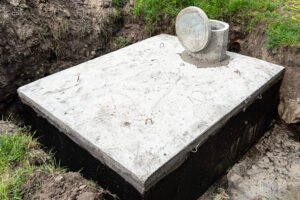
A seepage pit is a deep, vertical excavation designed to safely disperse wastewater into the surrounding soil. Unlike a drain field (leach field), which distributes effluent horizontally through trenches, seepage pits direct wastewater downward—making them suitable for properties with limited space or challenging soil conditions.
Rural homes or properties without city sewer access often rely on seepage pits to prevent soggy yards, protect foundations, and maintain landscaping. In effect, seepage pits function as your home’s underground drainage system.
How a Seepage Pit Works
Wastewater from your septic tank flows into the seepage pit, where it gradually seeps into surrounding soil. The soil naturally filters the water, removing impurities before it returns underground.
This slow soak is critical for:
- Preventing plumbing backups.
- Eliminating standing water and saturated soil.
- Protecting foundations and structural integrity.
A properly installed seepage pit keeps your yard dry and your septic system operating efficiently.
What to Consider
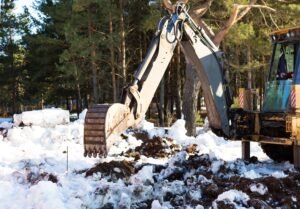
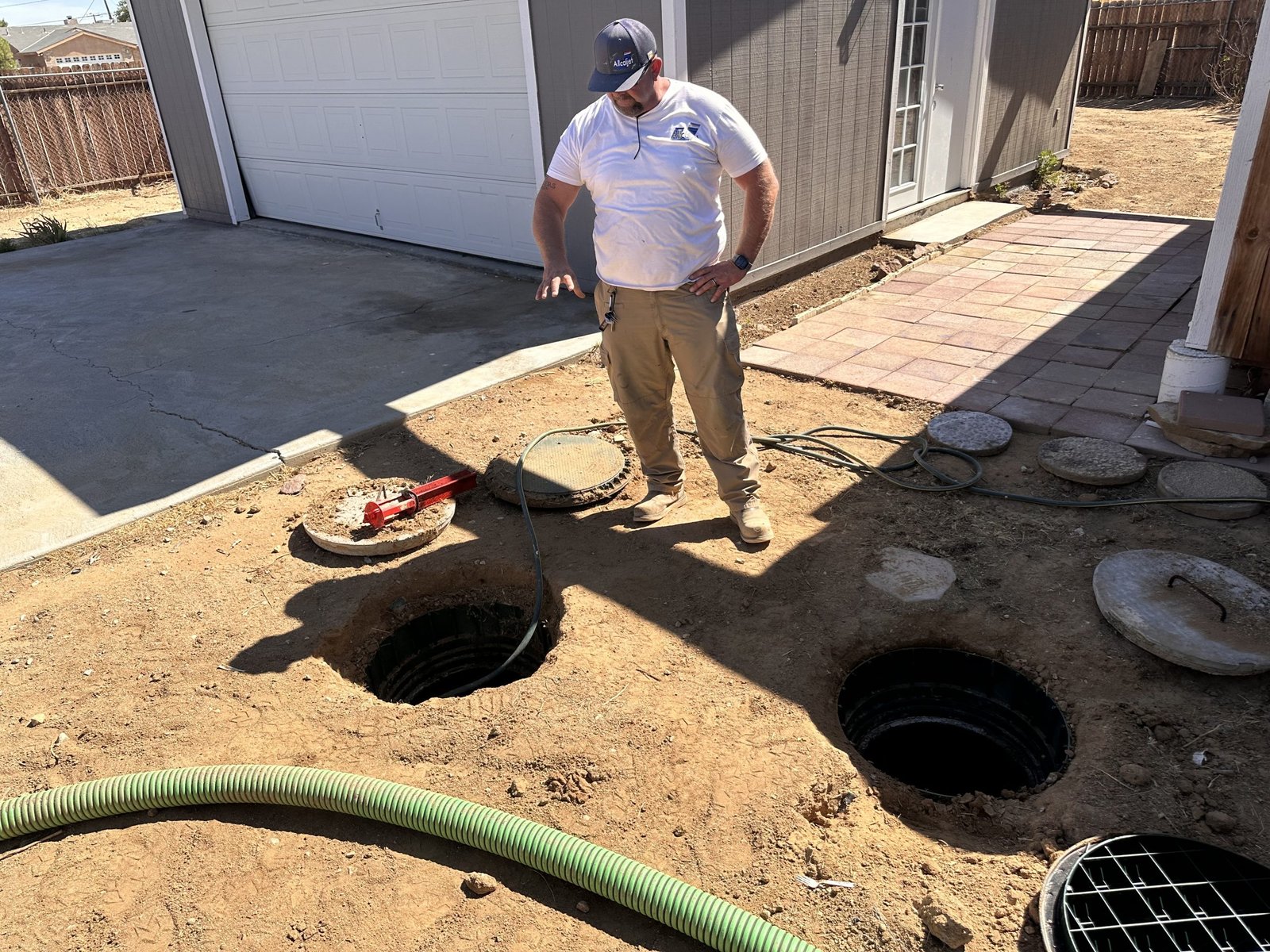
Installation: Getting a seepage pit right starts with understanding your soil. A professional will test the ground, determine the proper depth, and drill the pit to match your home’s needs. Improper installation can result in poor drainage, system failure, or costly code violations.
Maintenance: Just like a septic tank, seepage pits need regular inspections. Regular inspections, occasional pumping, and keeping the system free of debris help it keep working efficiently and prevent backups or soggy spots in your yard.
Regulations in California: Installation is strictly regulated. Local codes, permits, and environmental rules all matter. Licensed professionals understand local codes and environmental regulations, ensuring your system passes inspection and remains compliant.
Industry Insight: Professional installation maximizes drainage capacity, reduces failure risk, and extends system lifespan.
Seepage pits play a critical role in protecting properties with septic systems by safely managing wastewater and preventing drainage failures.When it comes to installing a seepage pit, it’s always smart to call in the pros to make sure it’s done right and lasts for years. If you’re considering a seepage pit or unsure whether one is appropriate for your property, contact AllCal Jet for expert guidance and compliant installation options.